How Practical Accounting Training Differs From What’s in the Textbook
Anyone who has finished a commerce degree and then walked into their first real accounting job usually says some version of the same thing: the textbook did not fully prepare them for this. It is not that the theory was wrong, it is that real accounting involves messy, incomplete information, deadlines, changing tax regulations, client communication, and judgment calls that a textbook problem, with all its numbers neatly given, simply cannot teach. Employers also expect graduates to be familiar with accounting software, GST procedures, TDS compliance, and practical bookkeeping from day one. This gap between classroom learning and workplace expectations is exactly why IMJ Institute of Science & Commerce introduced a separate Practical Accounting and Taxation Course alongside the regular degree. By combining theoretical knowledge with hands-on training, the course helps students develop the practical skills and confidence needed to transition more smoothly into professional accounting roles.
Textbook Problems Are Too Clean
Textbook accounting almost always hands you clean data. A question gives you the exact figures needed, tells you which entries to pass, and expects a specific answer that matches the answer key. Real accounting rarely works that way. Invoices are missing details, expenses need to be categorized with some judgment involved, and software systems used by actual businesses do not look anything like the ledger formats students practice on paper during their coursework.
The Software Gap Is the Biggest One
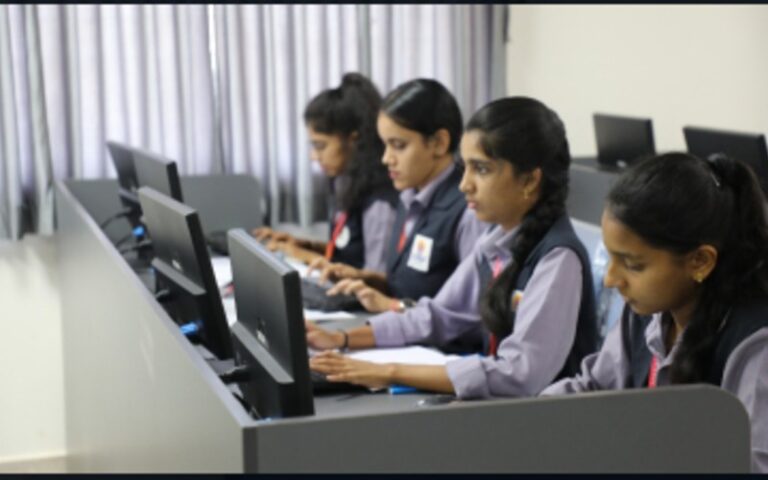
Software is probably the biggest gap between what is taught in theory and what is used on the job. Most commerce graduates have never opened Tally or any similar accounting software before their first internship, even though nearly every small and medium business in India runs its books on one. Learning to actually enter transactions, reconcile accounts, and generate reports inside real software takes a different kind of practice than solving journal entries by hand on paper.
Taxation Looks Different in Practice
Taxation is another area where the gap becomes obvious quickly. A textbook chapter on GST might explain the rate structure and basic filing process in a few neat pages, but actually filing a return involves navigating government portals, handling errors, matching invoices, and keeping track of due dates across different filing categories. This is a skill built through repetition on real forms, not something that can be fully absorbed by reading about it once before an exam.
How the Practical Course Bridges This
This is exactly what the practical accounting and taxation course at IMJ Institute of Science & Commerce is built to address. Instead of treating accounting purely as a theory subject to be studied before an exam, the course walks students through real transactions, actual software use, and the kind of paperwork they will encounter in a real accounts department, so the transition into a first job feels far less unfamiliar than it does for many commerce graduates elsewhere.
Theory Still Matters, But Isn't Enough Alone
None of this means the textbook portion is unnecessary. Understanding the underlying principles is still what makes practical work make sense, rather than becoming a set of steps memorized without knowing why they are done that way. But relying on theory alone leaves a real gap that most students only discover once they are already in a job and unsure how to apply what they learned. IMJ Institute of Science & Commerce built its practical training specifically to close that gap earlier, while students are still in college.
Frequently Asked Questions
No, the course starts from the basics of using accounting software like Tally.
It runs alongside the B.Com syllabus as additional hands-on training, not as a replacement for it.
Yes, practical accounting experience helps make sense of CA coursework rather than working against it.
Tally is the main one, along with basic exposure to GST filing portals and related tools.
Yes, these are foundational business skills useful for finance, admin, or entrepreneurship roles too.
Structured, guided practice with feedback catches mistakes and gaps that self-taught tutorials often miss.